Significant Themes in
Macbeth Act 1
Daze Zhang
1. The Supernatural

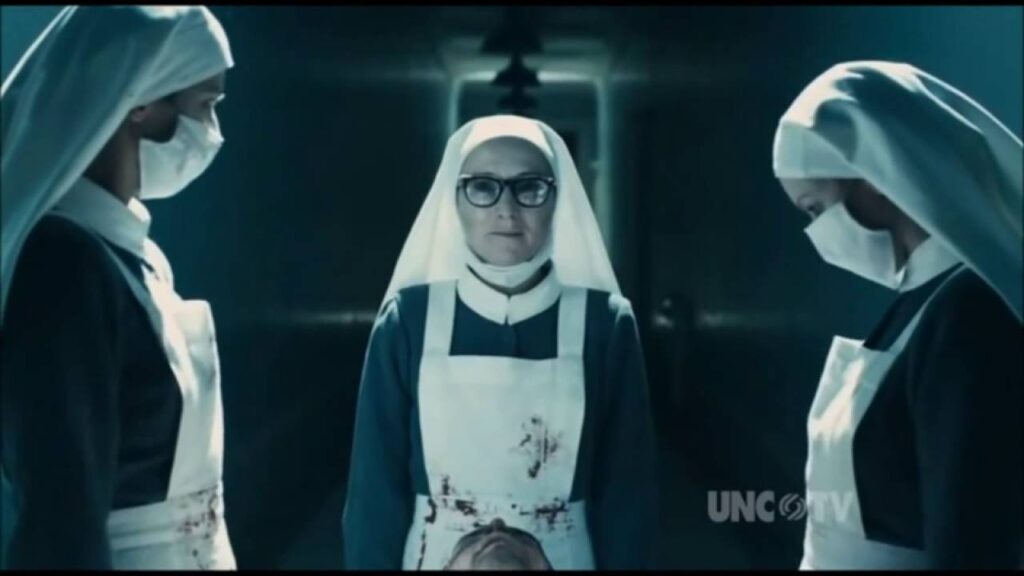
The three witches have created an atmosphere that is dark, chaotic and confusing to people.
Fair is foul, and foul is fair;
Hover through the fog and filthy air.Witches (Act 1 Scene 1)
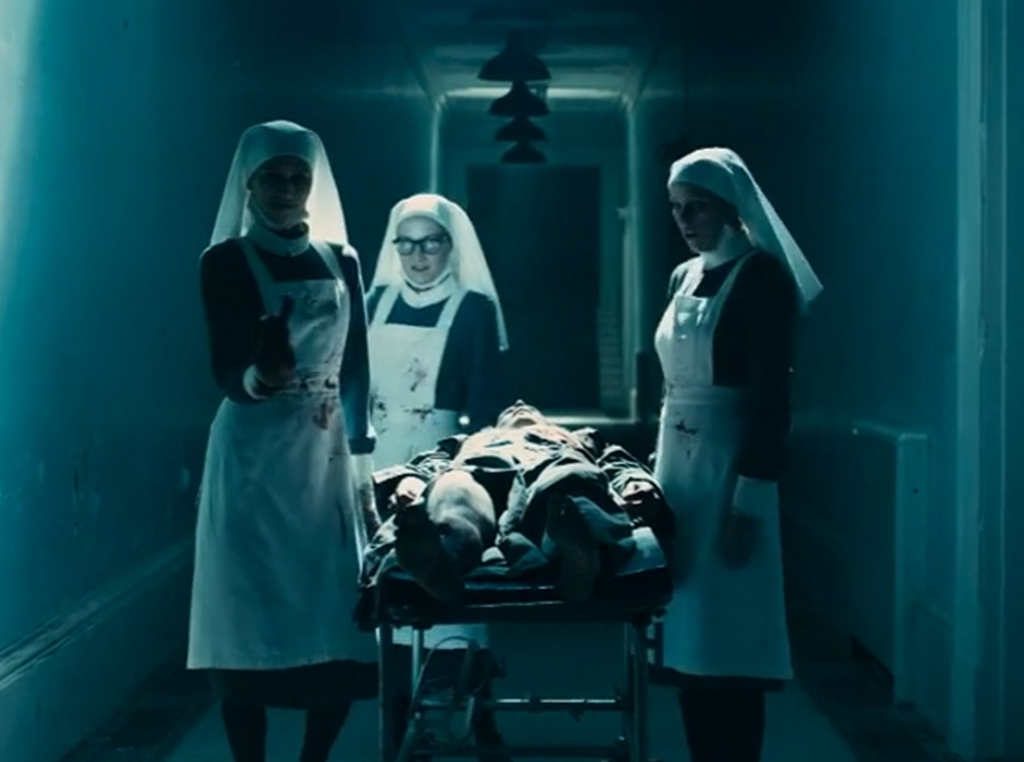
This sense of darkness and chaos becomes a mysterious force that overwhelms Macbeth’s mind. As portrayed in the play, Macbeth is both shocked and disturbed when the witches vanish into the air and when part of their prophecy comes true, causing his moral conscience to break.
This supernatural soliciting
Cannot be ill, cannot be good.Macbeth (Act 1 Scene 3)
My thought, whose murder yet is but fantastical,
Shakes so my single state of man.Macbeth (Act 1 Scene 3)
In the meantime, Banquo’s response seems to reflect an important theme here: people should not place blind trust in “the supernatural” – unexpected coincidence, or deliberate manipulation. He warns us that once our moral judgment begins to shift because of “honest trifles” – unimportant prophecies that happen to come true – our conscience may be slowly replaced by our desire.
And oftentimes, to win us to our harm,
The instruments of darkness tell us truths,
Win us with honest trifles, to betray ’s
In deepest consequence.Banquo (Act 1 Scene 3)

2. Appearance & Reality

Fair is Foul?
Foul is Fair?
Nothing is as it seems.
As the witches declare this mysterious phrase, this contrast between appearance and reality is introduced and continues to occur in the play.
There’s no art
To find the mind’s construction in the face.Duncan (Act 1 Scene 4)
To beguile the time,
Look like the time. Bear welcome in your eye,
Your hand, your tongue. Look like th’ innocent flower,
But be the serpent under ’t.Lady Macbeth (Act 1 Scene 5)

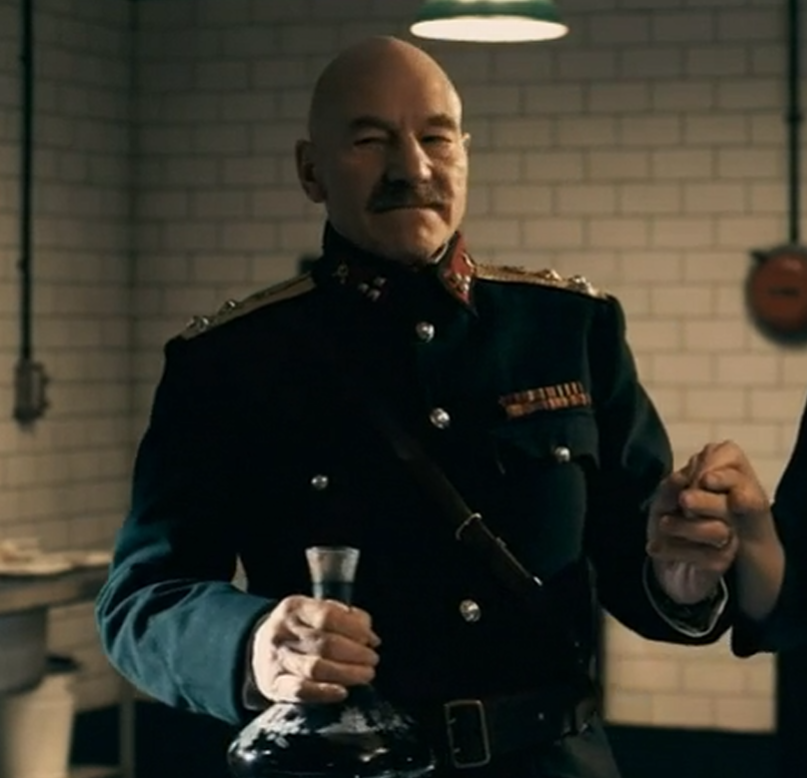
Away, and mock the time with fairest show.
False face must hide what the false heart doth know.Macbeth (Act 1 Scene 7)
Shakespeare establishes a world in play that appearances are deeply misleading. Just like poisonous snakes that hide under flowers and disappointing Big Macs that greatly differ from what we see on advertisements.

When Lady Macbeth encourages deception as a strategy to Macbeth, their end is already foreshadowed through the execution of Thane of Cawdor, whose false appearance eventually brings himself regret.
However, Macbeth isn’t always a deceiver, but a victim of false appearance as well. From the very beginning, the witches’ prophecy seems to possess his mind, as the idea of becoming king is irresistibly appealing to him. Unable to control his ambition, he chooses to trust the attractive appearance and commits murder.
3. Fate & Prophecy

The Witches’ Prophecy
All hail, Macbeth! Hail to thee, thane of Glamis!
All hail, Macbeth! Hail to thee, thane of Cawdor!
All hail, Macbeth, that shalt be king hereafter!Witches (Act 1 Scene 3)
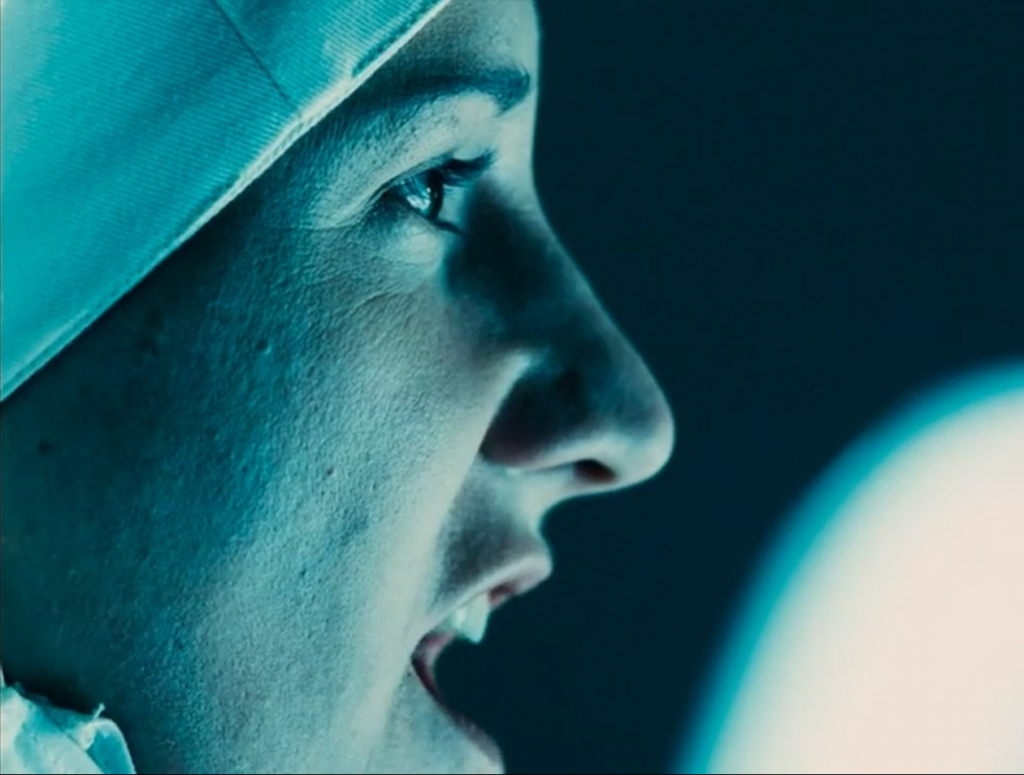
The prophecy is suspicious. The witches predict part of the outcomes, yet they do not give any details or instructions. Is it really indicating people’s fate?
To believe it or not to believe it, it’s all Macbeth’s choice.
The witches never instruct Macbeth to act, nor do they explain how their predictions will be fulfilled. Instead, the prophecy function as possibilities that require human choice to become reality.

If chance will have me king, why, chance may crown me
Without my stir.Macbeth (Act 1 Scene 3)